5 Cardigan Styling Mistakes That Make Outfits Look Sloppy
A cardigan is the most forgiving piece in a knitwear drawer, which is exactly why it goes wrong so often. It gets thrown on over whatever you are already wearing, on the way out of the door, sleeves pushed up and buttons done out of habit. Nothing about that is a disaster. It just reads as accidental.
Cardigan styling comes down to a handful of small decisions: how many buttons, where the hem stops, what sits underneath, and whether the knit is doing any real work in the outfit. Get those roughly right and a cardigan you have owned for years starts looking deliberate.
Mistake 1: Buttoning Every Single Button
A cardigan buttoned to the hem becomes a closed tube. The fabric pulls across the chest or the stomach, the neckline flattens out, and the cardigan stops behaving like a layer at all. It turns into a slightly awkward sweater.
The fix is to leave a gap where you want the eye to travel.
- Leave the bottom button undone. It is the easiest change and it immediately relaxes the hem, creating a small V at the hip that keeps the line moving.
- Open the top two. Over a collared shirt or a fine-gauge knit, undoing the top two buttons frames the neckline instead of hiding it.
- Fasten one button only. On a long, soft cardigan, closing just the middle button creates a wrap effect and a defined waist with zero effort.
- Leave it fully open when the base layer is the interesting part — a striped tee, a silk camisole, a tucked shirt.
One rule is worth keeping: whatever you button, the fabric should lie flat. A straining button is not a styling choice, it is a fit problem, and leaving the hem open will not hide it.
Mistake 2: A Hem That Stops at the Wrong Place
Length causes more sloppy-looking cardigan outfits than anything else. A hem that lands on the widest part of the hip, or the fullest part of the thigh, draws a horizontal line exactly where you do not need one.
Three lengths generally work:
- Cropped — ending at or just above the waistband of trousers or a skirt.
- Hip bone — a classic, versatile length that sits below the waist and above the widest point of the hip.
- Long — mid-thigh or longer, usually worn open so it reads as a vertical column rather than a closed shape.
The relationship with the layer underneath matters just as much. If the cardigan hem finishes within a couple of centimetres of your tee or shirt hem, it looks like a mistake rather than a choice. Either let the cardigan fall clearly below, or tuck the base layer so its hem is not competing. A quick front tuck into high-waisted trousers solves that in about ten seconds.
Mistake 3: Layering Bulk Instead of Warmth
Cold weather tempts you into a chunky cardigan over a chunky sweater under a coat. The result is a silhouette with no edges left, sleeves bunched at the elbow and shoulders that will not sit properly.
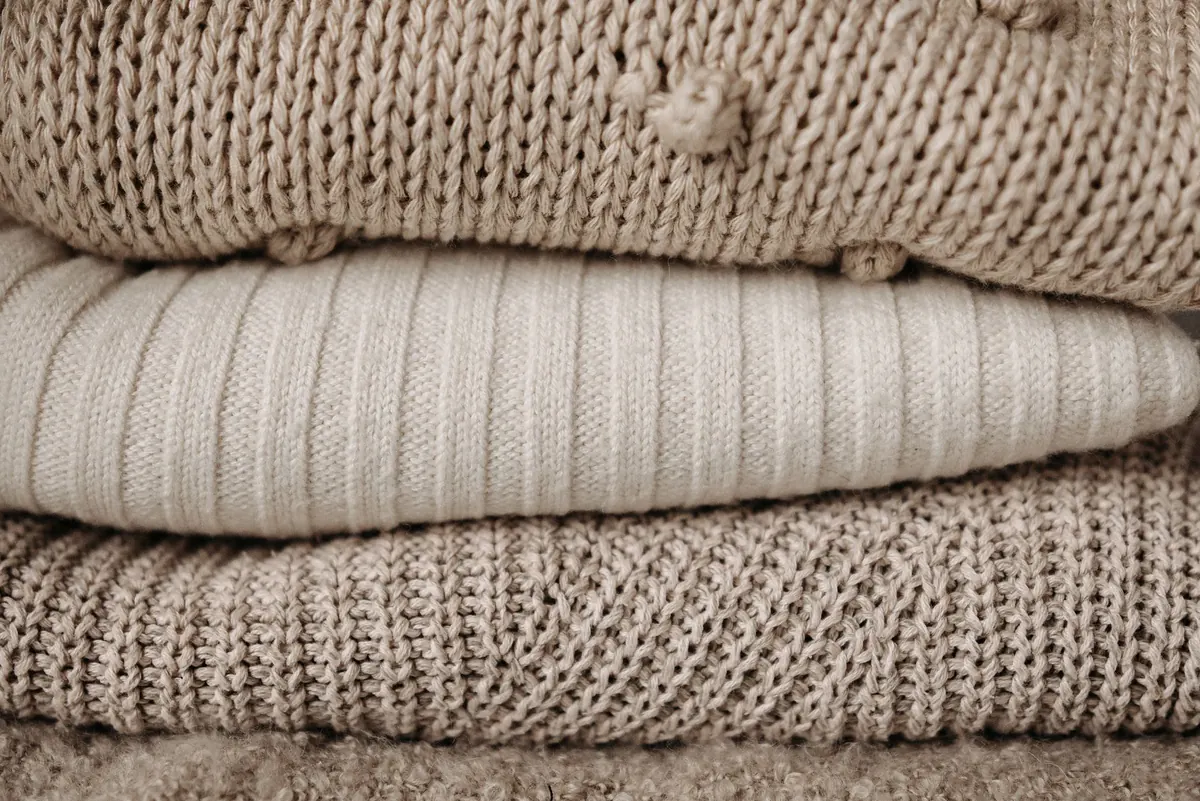
Layer from thin to thick, closest to the body outward: a fine merino or cotton base layer, then the cardigan, then outerwear with enough room in the armhole to take both. A coat bought to wear over a t-shirt alone will fight a thick cardigan every time.
Small adjustments that help
Push cardigan sleeves up to just below the elbow so the cuff does not fight the coat cuff. Check the shoulder seam — if it has slid halfway down your arm, the layer underneath is too bulky. And when you do want the chunky knit, wear it as the outer layer rather than a mid-layer, and keep everything beneath it fine and close to the body.
Mistake 4: Letting the Cardigan Erase Your Shape
An oversized cardigan over an oversized shirt over wide trousers is comfortable and completely shapeless. The eye has nothing to hold on to.
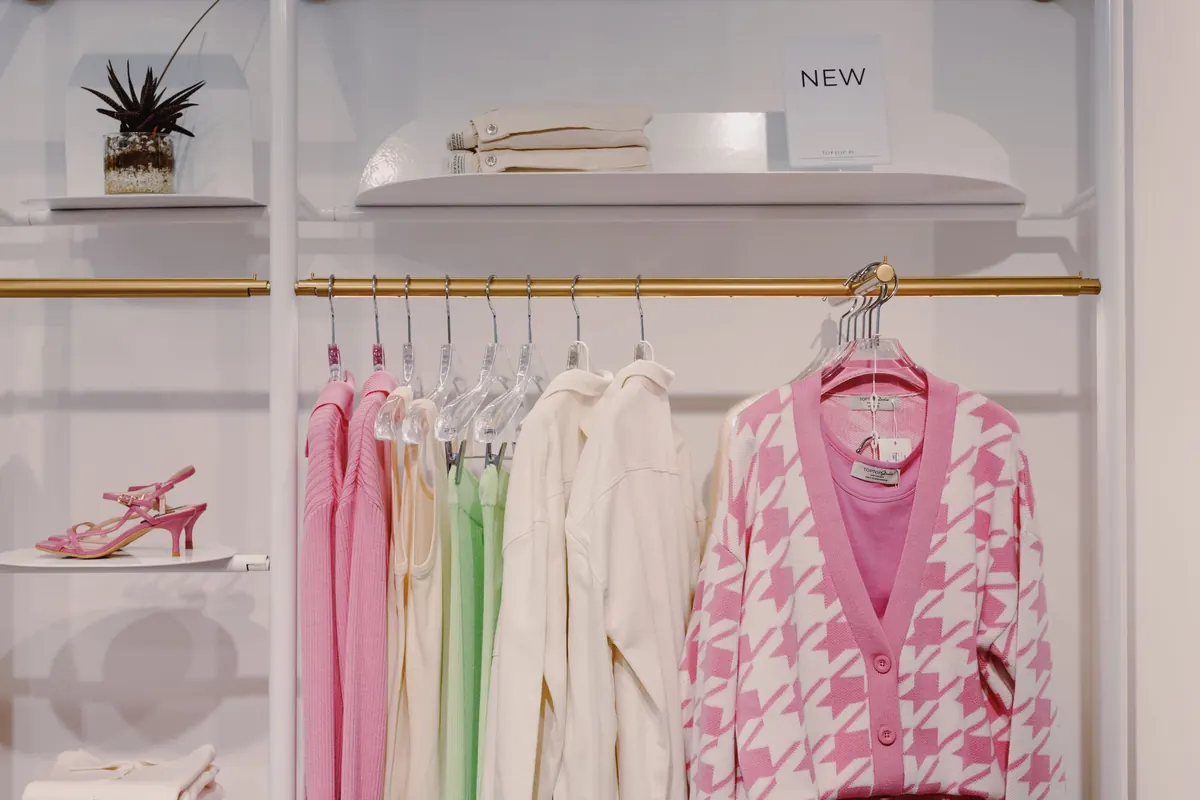
Pick one volume and keep the rest close. If the cardigan is big, keep the base layer fitted and the trousers relatively clean. If the trousers are wide, choose a cardigan that ends at the hip and fastens at the waist. A shirt tucked in under an open cardigan, or a belt over a fine-gauge knit, gives the outfit a waist without cinching anything.
Pockets matter here too. Patch pockets at hip level add width exactly where a long cardigan already has some. For a longer line, look for pockets set slightly higher, or skip them altogether.
Mistake 5: Tired Details — Pills, Gapes and Stretched Cuffs
Most of what reads as sloppy is maintenance. A cardigan with pilled underarms, a strained button at the bust, and ribbed cuffs that have given up and hang past the wrist will undermine an otherwise good outfit.
- Shave pills with a fabric comb or a small sweater shaver, then store the cardigan folded rather than hung.
- Move a straining button half a centimetre outward, or add a hidden hook and eye at the bust.
- Reshape damp cuffs by hand and dry the cardigan flat, never on a hanger, so the shoulders and hem keep their line.
- Steam rather than press with an iron, and let the knit rest a day between wears so the ribbing recovers.
Colour counts as a detail. A cardigan that matches nothing else in the outfit will always look like it was grabbed in a hurry. Either choose a neutral that repeats a colour already in the outfit, or commit to a deliberate contrast and repeat it once more — in a bag, a shoe or a scarf.
The Two-Minute Check Before You Leave
Stand three steps back from a mirror and run through this:
- Are the buttons doing what you intended — all but the bottom, one in the middle, or none at all?
- Does the hem stop somewhere deliberate, not on the widest point of your hip or thigh?
- Is there one clear layer of bulk rather than three?
- Can you see a waist or a vertical line somewhere?
- Are the cuffs, buttons and surface of the knit in decent condition?
Then move your arms, sit down and reach for something. If the cardigan still sits where it should, it will look right for the rest of the day. Fix one of these five things at a time, and by the end of a week the difference in how the same four cardigans look will be obvious.
Photo: Emiliano Vittoriosi / Pexels
You Might Also Like
A practical guide to the shoulder room, sleeve width and fabrics that let a winter coat sit comfortably over thick sweaters — and the fit checks worth doing before you buy.
Which knits to wear under a winter coat, in what order, and how thick each layer should be to stay warm without the padded look.