Oversized vs. Fitted Cardigans: Which Silhouette Flatters You?
A cardigan is the most useful layer in a knitwear drawer, which is exactly why the wrong silhouette can sit there for years, tried on and put back. Oversized and fitted versions are both comfortable and both versatile, but they solve different problems. One adds ease and volume; the other follows your line and lets the rest of the outfit speak. Knowing which you're actually shopping for is the difference between a cardigan you reach for weekly and one that never leaves the shelf.
How Each Cut Behaves
A fitted cardigan sits close to the torso. The shoulder seam lands near your natural shoulder, the hem stops around the waist or hip bone, and the sleeve tapers with your arm. Worn buttoned it can stand in for a top; worn open it stays out of the way under a coat.
An oversized cardigan gives you room, often a lot of it. The shoulder seam drops down the arm, the body is wider than your torso, and the hem usually sits lower.
Oversized isn't the same as sizing up. Going one size larger in a fitted pattern gets you tight shoulders and a ballooning middle. A genuinely oversized cardigan is cut that way from the start: extra width is built into the body and armhole, and the shoulder line is deliberately lower.
The Three Measurements That Decide Everything
Look at three points before you look at the mirror as a whole.
- Shoulder seam. On your natural shoulder line it sharpens your frame. Dropped below it, it softens your shoulders and adds width across the top. Neither is better; they send different messages.
- Hem. A hem that ends at your widest point draws attention there. One that ends above or below reads cleaner.
- Sleeve. Wide sleeves with a deep armhole swallow the wrist and hand. If you want to look pulled together, push the sleeve up or choose a narrower forearm.
One proportion rule is worth remembering: volume in one place wants structure somewhere else. An oversized cardigan over wide-leg trousers is a lot of fabric; the same cardigan over a slim trouser or fitted skirt looks deliberate. A fitted cardigan gives you the freedom to go big below.
What Each Cut Does for Your Proportions
Body shape matters less than proportion, but the two are related.
Tall frames carry oversized cuts easily; there's length in the body to hold the volume, and a long hem won't cut you in half. On a petite frame the hem matters more — ending around the upper hip keeps the leg line visible, while mid-thigh can shorten you.
If you carry weight through the middle and prefer to skim rather than cling, an oversized cardigan worn open draws two vertical lines down the front. If you'd rather define a waist, a fitted cardigan does that directly — buttoned, or belted over a dress.
Broad shoulders or a full bust: dropped-shoulder knits add bulk across the top, so a set-in shoulder often sits better. Narrow shoulders: the opposite, since a dropped seam can balance a fuller hip.
Styling: What Each One Wants From the Rest of the Outfit
Most disappointing cardigan outfits come from a silhouette clash rather than a bad cardigan.
Oversized cardigans
- Pair with a slimmer base layer — a fine-knit tee, a fitted tank — so the volume has something to contrast against.
- Keep the bottom half clean in line: straight-leg denim, a slim midi, tailored trousers.
- Wear it open over a dress for an easy mid-season layer.
- Chunky textures work in winter; finer gauge suits spring.
Fitted cardigans
- Button it and wear it as a top with high-waisted trousers or a skirt.
- Layer it under a blazer or coat without adding bulk at the armhole.
- Use it to break up a voluminous bottom half.
- Tuck nothing, or just the front, depending on the hem.
Fabric and Gauge Change the Verdict
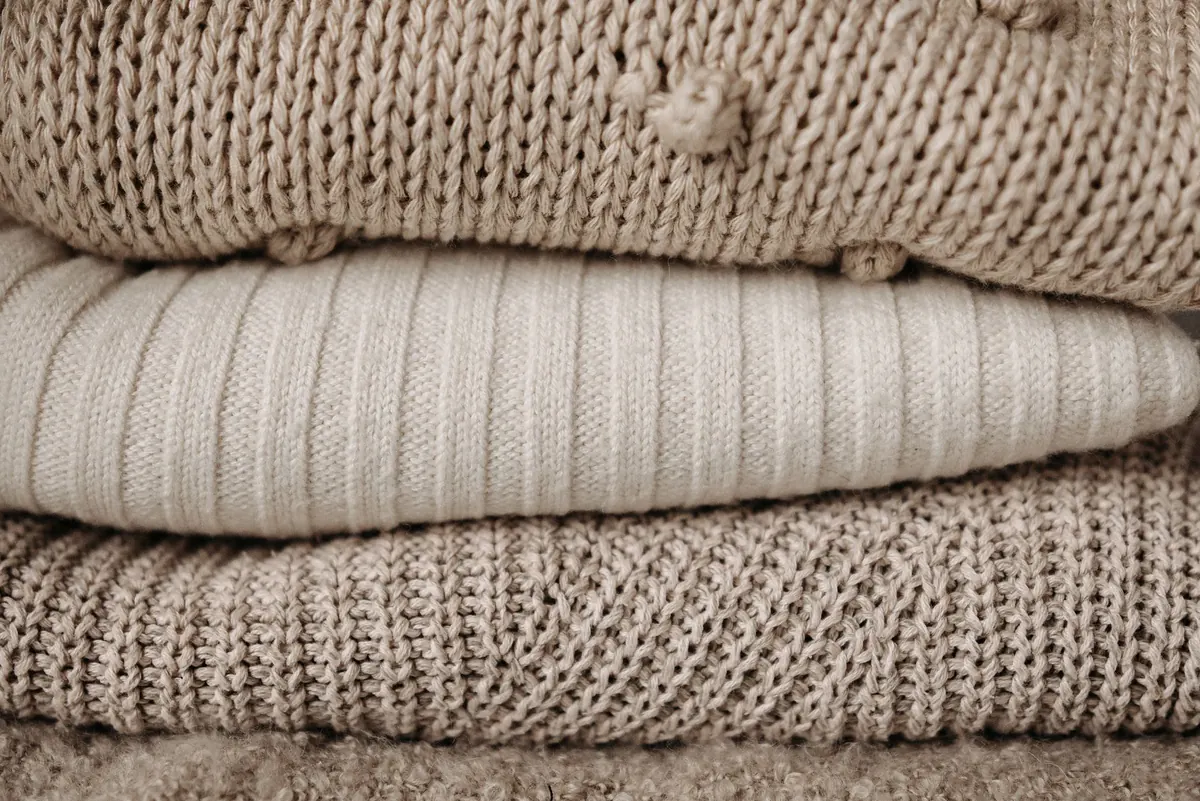
Two cardigans can share a cut and look entirely different. Chunky oversized knits in lambswool or alpaca hold their own shape, so they read as a coat alternative — good over a thin layer, awkward under anything. Fine-gauge oversized knits in merino or cotton drape rather than stand away from the body, which makes them easier to belt or tuck.
Ribbing matters too. Strong rib at the cuffs, hem and placket pulls an oversized shape back in, which is why some oversized cardigans look surprisingly neat. Fitted cardigans rely on rib for shape, so check it hasn't gone slack — that's the first place a well-worn cardigan gives up.
As a rough guide, heavier yarns suit the oversized look and finer yarns flatter a closer fit. If you want one cardigan to do both jobs, look for a mid-weight knit with a slightly relaxed, not oversized, cut.
A Quick Way to Choose in the Changing Room
- Put it on over what you'd actually wear with it, not the outfit you happened to leave the house in.

You Might Also Like
A practical guide to the shoulder room, sleeve width and fabrics that let a winter coat sit comfortably over thick sweaters — and the fit checks worth doing before you buy.
Which knits to wear under a winter coat, in what order, and how thick each layer should be to stay warm without the padded look.