How to Wash a Wool Sweater Without Shrinking It
A wool sweater that fits perfectly is a small piece of luck. The shoulders sit right, the sleeves end where they should, and the ribbing hugs without gripping. Then one careless wash later, it comes out sized for a ten-year-old and stiff as felt. That damage is not mysterious, and it is not reversible.
What makes it frustrating is how little it takes. Wool does not need a hot wash or a tumbler to shrink; a bit of heat, a bit of moisture and some friction will do it. Which also means the fix is simple: less heat, less friction, and a drying method that respects the shape you want to keep.
Here is the full routine, from the first soak to the last hour of drying.
Why wool shrinks, and why water isn't really the culprit
Look at a wool fiber under a microscope and you will see overlapping scales, like shingles on a roof. In a calm bath, those scales lie flat and the fiber stays smooth. Add agitation and warmth, though, and the scales catch on each other and lock. The fiber shortens, the fabric thickens, and the whole thing turns into a denser, smaller version of itself. This is felting, and once it has happened, no amount of stretching or conditioner will bring the sweater back.
Two related problems show up in the same wash. The first is temperature shock: moving a sweater from warm water to cold makes the fibers contract unevenly. The second is stretching. Wet wool is weak, so lifting a soaked sweater by one shoulder or hanging it on a rail pulls it permanently out of shape.
Hot water alone rarely ruins a sweater. Hot water plus your hands moving it around is what does the damage.
Read the label, then gather your tools
Take thirty seconds with the care label before anything gets wet. "Hand wash" means exactly that. "Dry clean only" on a structured jacket or a lined cardigan is worth respecting, because the interlining and shape are as fragile as the knit. Merino, lambswool and cashmere all follow the same basic rules, though the finer fibers deserve a lighter touch.
- A pH-neutral wool wash, or a mild liquid detergent without enzymes or bleach. Biological formulas contain proteins that slowly digest protein fibers, which is bad news for wool.
- Two clean bath towels, plus one more for drying.
- A clean sink, basin or plastic tub.
- A flat drying rack, or a mesh drying mat over a towel.
- A zippered mesh laundry bag if you are washing a cardigan with buttons or hardware.
Skip fabric softener entirely. It coats the fiber and flattens the softness you are trying to protect.
The hand-wash, step by step
- Fill the basin with lukewarm water. Comfortable to your hand, roughly 30°C / 85°F. If it feels hot on your wrist, it is too hot for wool.
- Add the detergent and swish it through before the sweater goes anywhere near the water. Undissolved detergent can leave pale marks that are tedious to rinse out.
- Turn the sweater inside out and lay it in the water. Press it down gently until it sinks. Do not scrub, knead or rub the fabric against itself.
- Let it soak for ten to fifteen minutes. Most of the cleaning happens here, not through your effort.
- Drain the basin and press the sweater against the side to release dirty water. Never lift it out by one sleeve or shoulder.
- Refill with water at the same temperature and press the sweater gently up and down until the water runs clear. Two or three rinses is normal. A splash of white vinegar in the final rinse helps remove detergent residue.
- Squeeze, do not wring. Cup the sweater in both hands and press the water out in sections, working from the shoulders down.
Getting the water out without wrecking the shape
Lay the sweater flat on a dry towel, roll the towel up like a Swiss roll, and press down with your palms. The towel will drink most of the remaining water. Unroll, move the sweater to a second dry towel, and repeat once. It should feel damp rather than dripping.
This is the moment people ruin sweaters. Do not hang a wet wool sweater, not even on a padded hanger; the weight of the water will pull the shoulders into points and lengthen the body. Do not put it in a tumble dryer at any setting, and do not drape it over a radiator to speed things up.
Drying flat so it stays your size
Lay the sweater on a dry towel on a flat surface, away from direct sun and radiators, and reshape it while it is still damp. Ease the body back to its original width, straighten the side seams, and pat the cuffs, hem and neckline into place. If you have a sweater of the same measurements, lay it alongside as a guide. Otherwise, measure the dry sweater once and note the numbers on your phone; you will be glad of them.
Blocking a cardigan or a cable knit
Cables and chunky knits are heavier and can slump while drying. Give them extra support with a mesh mat or a second layer of towels, and turn them over once after a day. A damp cardigan benefits from being laid flat and buttoned so the front bands stay straight.
Expect twenty-four to forty-eight hours for a full dry. Turn the sweater once, halfway through. If it still feels cool and slightly clammy at the underarm seams, it is not dry, and putting it away damp invites moths and mildew.
Machine washing, dry cleaning and spot cleaning
Some modern wool blends handle a gentle cycle, but only if the label permits it. Use cold water, a wool or delicate program, the lowest spin setting, and a mesh bag. If you are unsure, hand-wash. Dry cleaning is a perfectly reasonable option for structured pieces; ask for hand finishing and expect the wool to feel a little flatter afterward, since solvents strip some of the natural lanolin.
Between washes, spot-clean small marks with a damp cloth and a drop of wool wash, working from the outside of the stain inward. Air the sweater overnight after wearing it, and wash it every four to six wears unless it is next to your skin or has been somewhere smoky.
A short routine worth repeating
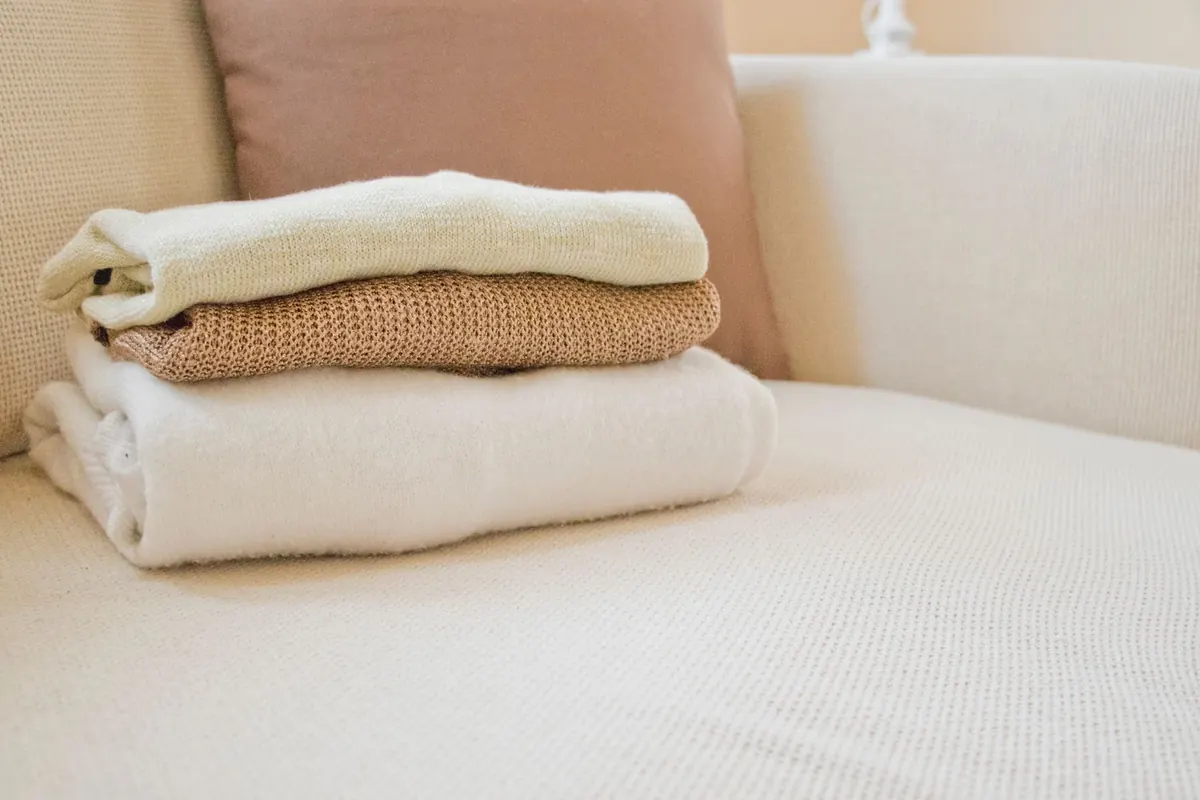
Wash less often than feels instinctive, use cool water and a mild detergent, press instead of scrub, and dry flat with a little patience. Fold wool sweaters rather than hanging them, and store them with cedar or lavender. Fifteen quiet minutes at the basin is the whole cost of keeping a good sweater exactly the size it was on the day you bought it.
Photo: Ralitsa Racheva / Pexels
You Might Also Like
A practical guide to the shoulder room, sleeve width and fabrics that let a winter coat sit comfortably over thick sweaters — and the fit checks worth doing before you buy.
Which knits to wear under a winter coat, in what order, and how thick each layer should be to stay warm without the padded look.