Cable-Knit vs. Ribbed Sweaters: Choosing the Right Texture
Two sweaters hang side by side on the same rail: same oatmeal shade, similar price, both wool. One wears fat braided ropes down the front; the other is covered in fine vertical lines, like a stack of pencils. Try each on and they behave like different garments — one sculpts, the other follows. The stitch pattern is doing most of that work, not the fiber.
Here is what each texture actually gives you, and how to pick the one that suits your shape, your climate and the way you really dress.
What the two stitches are actually doing
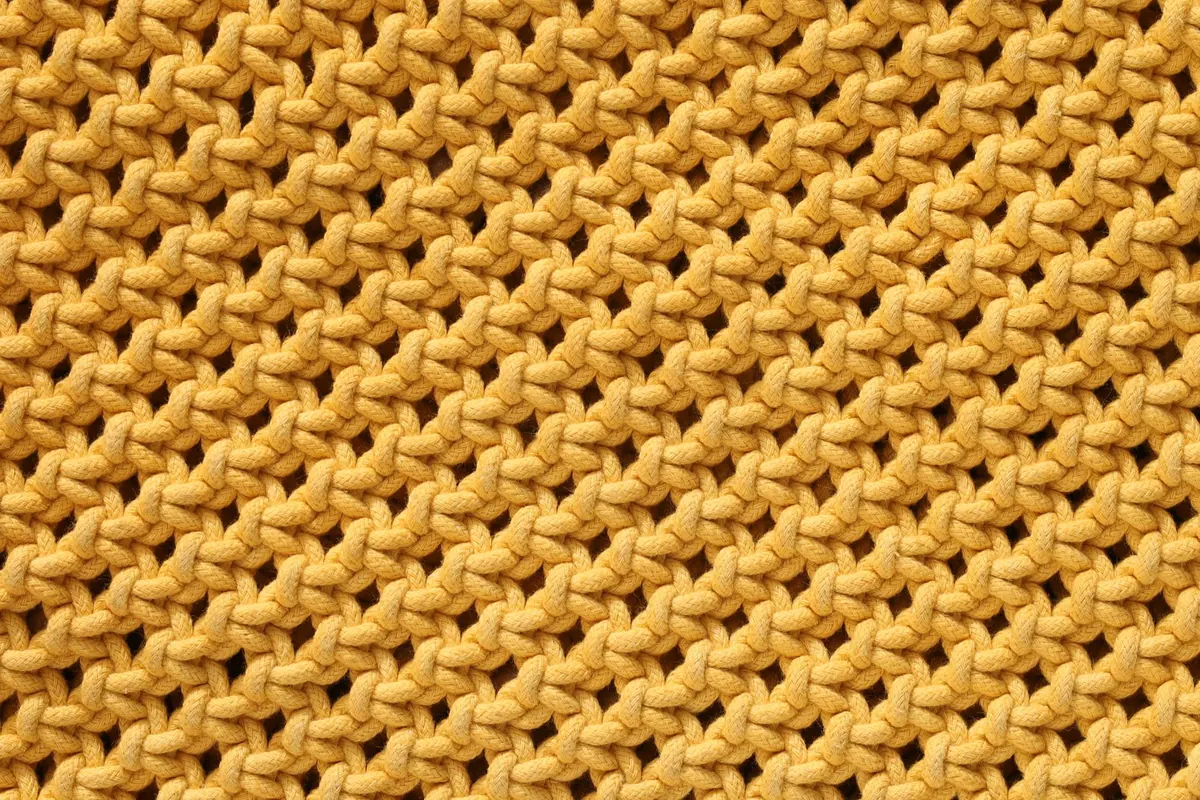
Cable knitting crosses stitches over one another. You slip a few stitches onto a spare needle, knit past them, then work them out of order. That crossing builds a raised braid, rope or honeycomb, and it takes extra yarn to do it. The finished fabric ends up thicker and denser than a plain knit made from the same wool.
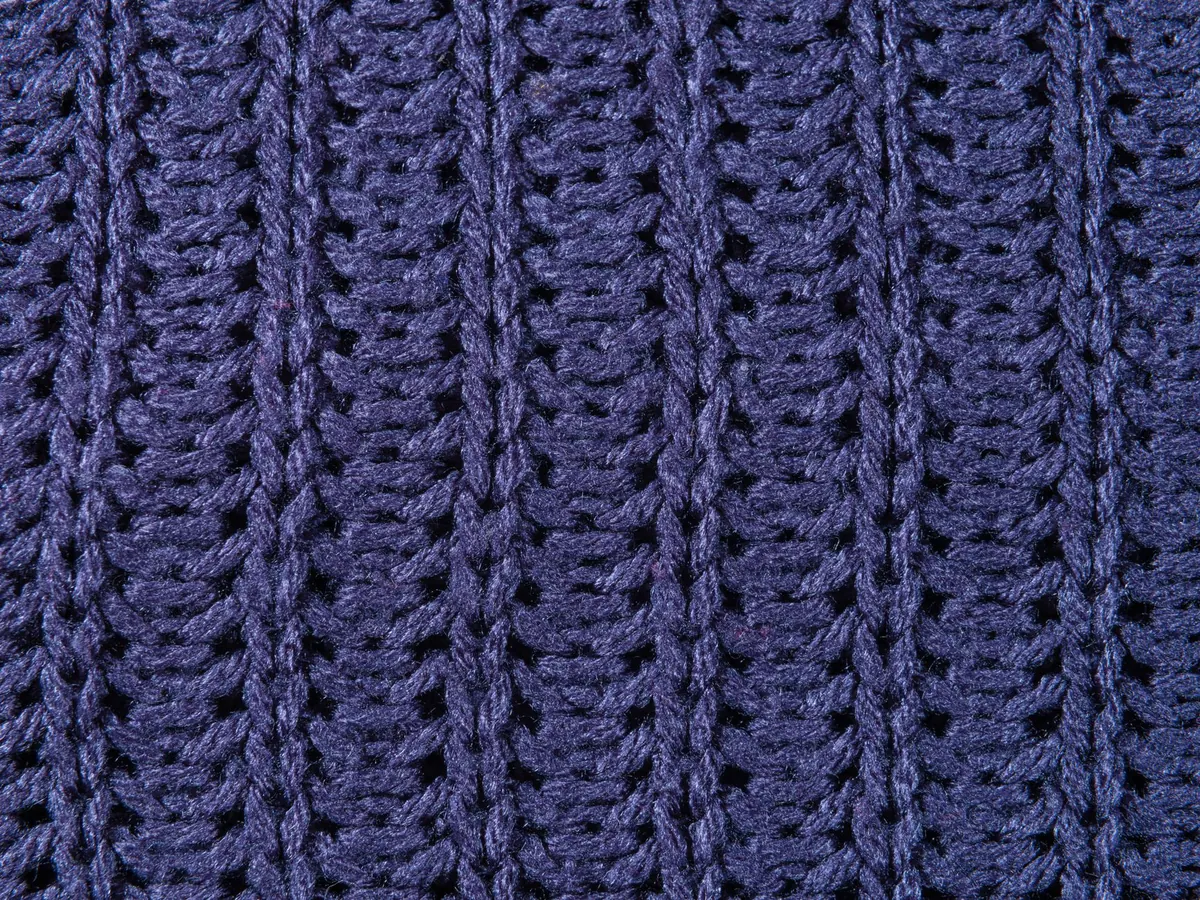
Ribbing alternates columns of knit and purl — 1x1, 2x2, 4x4 — and the knit columns stand proud while the purls recede. Because those purl columns pull inward, the fabric contracts and then springs back when you stretch it. It is the stitch used on cuffs, collars and hems for exactly that reason, and it can carry a whole sweater just as easily.
Fisherman's rib and brioche deserve their own mention: stitches worked into the row below, producing a spongy, quilted fabric that is thicker and warmer than standard ribbing. If you like the look of rib but want more heat, this is the version to look for.
Bulk, weight and how each one measures
Cable knit eats yarn. A cable panel can use noticeably more yarn than the same width of stockinette, so a cabled sweater is usually heavier and denser than a plain one in the same size. It hangs with some authority and holds its shape through a season of wear.
Rib works the other way. It looks narrow on the hanger and opens across the chest when you put it on — a ribbed sweater that seems like a fitted medium may stretch to sit comfortably on a much larger frame, and then stay stretched. Two consequences worth knowing: a ribbed sweater's on-body width is rarely its flat width, and it takes less yarn per inch, so it feels lighter than the same weight of cabled wool.
When you are comparing pieces in a shop, judge a cable by how it feels in your hand — a good one has almost the density of a small rug — and judge ribbing by how firmly it snaps back when you pull it sideways.
Warmth: air, fit and wind
Warmth in knitwear comes mostly from trapped air, and the two textures trap it differently.
A cable's raised surface holds a layer of still air against the fabric, and the dense crossings block wind reasonably well. A cabled wool sweater over a shirt handles a cold walk and still looks intentional at a table afterward.
Rib keeps you warm by staying close. A fitted fine-gauge rib sits against the skin, does not gap at the wrist or waist, and slides under a coat without bunching, which makes it the better base layer or mid layer. Wear a wide, loose rib alone in a breeze, though, and the channels between the knit columns let air straight through.
Fiber still beats stitch. A fine merino rib will out-warm a bulky acrylic cable every time. If heat is the priority, start with wool or a wool blend, then choose the texture for the job.
What each texture does to your silhouette
Cable adds volume by design. The braids sit off the surface and catch light, which reads as bulk across the chest and shoulders. That is a gift if you are narrow-shouldered or straight through the torso and want some presence. It is worth a second look if you are full-busted or broad-shouldered, particularly in a pale, chunky allover cable. A dark sweater with one vertical cable panel down the centre gives you the texture without the extra width. Horizontal cable bands and allover honeycomb add width; vertical panels and side cables draw the eye up and down.
Rib draws long vertical lines, which is why it flatters in photographs. In person, it stretches over whatever is underneath. A tight 1x1 rib in a light color will show every curve and every seam of the shirt below; a 2x2 or 4x4 rib skims more generously, and a fine-gauge rib under a jacket behaves like a good shirt. Chunky rib with a little elastane holds its line better than pure wool rib, which softens with wear.
Fit, sag and care
Cable knit barely stretches, so it fits roughly the way it measures. Buy your usual size and expect a slightly snug first wear across the chest that relaxes a little with time.
Rib stretches, which is the whole point — and also the catch. Cuffs loosen, hems flare, and a ribbed sweater that lives on a hanger will stretch at the shoulders. Treat it accordingly.
A short list to run through before you buy:
- Stretch the ribbed hem and let go. It should return with a snap, not hang loose.
- Check the underarm seams — stretched ribbing pulls there first.
- Hold a cable up to the light. You should not see daylight through the crossings.
- Try the sweater on over the shirt or base layer you will actually wear it with.
- Raise both arms, then sit down. Cable rides up and settles back; rib moves with you.
For both textures: wash by hand or on a wool cycle, never wring, dry flat and reshape while damp. Fold ribbed sweaters rather than hanging them, and store cabled ones folded too — the weight of a wet or hung cable can pull the shoulders out of line.
Which one to buy
- Weekend statement, layered over a checked shirt: cable.
- Under a blazer, under a coat, travel, office: fine-gauge rib.
- One genuinely warm sweater for a cold winter: cabled wool or fisherman's rib.
- Broad shoulders or a full bust, sleek look: fine rib, or a single narrow cable panel in a dark color.
- Narrow shoulders, want weight and presence: chunky cable, crew neck or roll neck.
- Low maintenance: cable holds its shape with less fuss; rib needs reshaping after washing and gentle handling on the hanger line.
Trying them on, in order
Walk in with a plan. Try the ribbed version first, over your usual base layer, and move around: reach for a high shelf, sit down, cross your arms. If it clings somewhere you would rather it did not, size up or look for a wider rib. Then try the cable in the same size and note how much room the texture claims in the mirror — turn sideways, because that is where cable bulk shows up.
Buy the one you would reach for on an ordinary Tuesday, not the one that looks best on the hanger. Both textures will serve you for years when the fiber is good and the fit is honest. They simply do different work.
Photo: Engin Akyurt / Pexels
You Might Also Like
A practical guide to the shoulder room, sleeve width and fabrics that let a winter coat sit comfortably over thick sweaters — and the fit checks worth doing before you buy.
Which knits to wear under a winter coat, in what order, and how thick each layer should be to stay warm without the padded look.